 Comply Launches Financial Services' First Agentic Compliance Platform MCP Server, Enabling Teams to Build Custom AI Agents Without Developers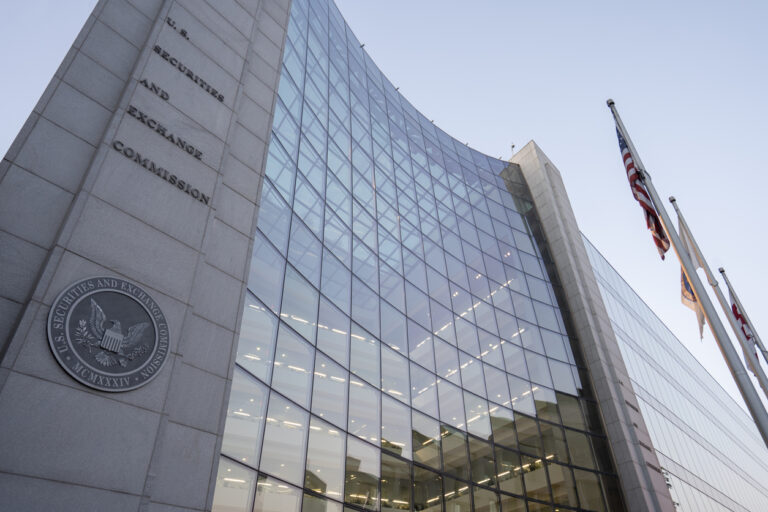
What the SEC’s oil and gas enforcement actions reveal about conflicts of interest, social media influencers, and 2026 exam priorities
When the Channel Isn’t the Issue
Today’s investors are chronically online. According to regulatory examiners, roughly three-quarters of consumers use social platforms for investment research, and nearly one in three trust what they see there to guide financial decisions. Social media platforms featuring video clips and sound bites about investment trends, securities to watch, industry news are exponentially growing. And for good reasons. Done responsibility and in line with the SEC Marketing Rule, social media is a marketing channel to reach new clients that will continue to evolve.
But what happens when someone provides investment advice without disclosing critical pieces of information? Like the mandatory disclosure when an adviser gets a financial gain from a client investing in a particular security?
The SEC’s recent charges against multiple advisers promoting oil and gas securities reveal how quickly things can go wrong when core compliance rules are violated.
In this situation, advisers and agents used podcasts and social media platforms to promote high-risk, unregistered oil and gas securities. But they failed to disclose they were being compensated to do so.
In this scenario, the advisers downplayed risk and positioned themselves as educators rather than compensated promoters.
The problem? It’s a regulatory compliance violation. One that carries significant risk, like the SEC enforcement actions and associated fines in this example. SEC Rule 17(b) requires full disclosure of any compensation tied to securities promotion. These omissions also implicate anti-fraud rules like Rule 10b-5 and Section 17(a), which bar misleading statements or material omissions. When advisers hide payments or downplay risk, they risk breaching fiduciary duties under the Advisers Act and triggering enforcement.
Bottom line: No matter what the channel, sharing investment advice must always be done in the best interest of clients. Not in the best interest of the adviser.
So, let’s talk about what responsible and compliant social media marketing looks like.
Traditional Media or New Media? You Still Have an Obligation
Advisers are required to disclose material conflicts of interest. It is their fiduciary responsibility to act in the best interest of their clients. Always. This basic and fundamental responsibility is what keeps the markets fair and investors safe from harm.
Content creators, finfluencers and independent advisers making a name for themselves on social media platforms has muddied the waters.
Radio shows, podcasts, seminars, and workshops blur the line between education and solicitation. They build trust before an investment is ever mentioned. By the time a product appears, the audience often perceives the speaker as an objective guide, not a compensated seller.
From a regulatory standpoint, that trust gap is precisely the risk. It’s easy for investors – especially retail investors – to be misled by bad actors. In some cases, this can even result in fraud.
So how can your firm promote your services on social media without the risk of violating the SEC’s marketing rule and your core responsibility for acting in the best interest of clients?
It’s about understanding the rules and navigating the grey area.
When Education Becomes Promotion
The SEC’s complaint highlights a recurring issue examiners continue to focus on: advisers framing compensated activity as education.
If content influences an investment decision and the adviser benefits financially, regulators expect transparency. Full stop.
Disclosures do not become optional because the setting feels informal. Compensation does not become immaterial because the pitch is wrapped in market commentary or tax strategy discussion. And fiduciary principles do not pause because the microphone is on. The explosion of influencer-style finance content has made that line between “sharing” and “soliciting” increasingly hard to see. Regulators know this, and they’re looking at how firms supervise those gray areas.
This is especially true when the investments involved are complex, illiquid, or speculative. Alternative products already carry heightened scrutiny. Alternative distribution channels only amplify that attention.
Why This Fits Into the SEC’s 2026 Priorities
These cases also highlight why Code of Ethics matters. From well-defined Policies and Procedures to strong education and certifications programs – ensuring your firm and your advisers understand both your firm’s rules and the regulators rules are essential.
The advisers at the center of this scandal not only missed disclosures, but they were missing the structure. Strong policies define boundaries before judgment calls do. Certifications create a record that expectations were clear, understood, and met. When those systems are consistent, intent is easier to prove, and trust is easier to keep.
In a digital environment where investment content can reach millions in minutes, regulators are also reemphasizing the need for firms to show how their oversight extends beyond traditional communications.
First, fiduciary duty remains a central focus. The SEC has made clear it is examining whether advisers are fully disclosing conflicts and placing client interests ahead of their own. Undisclosed, transaction-based compensation tied to high-risk products cuts directly against that expectation.
Second, the SEC continues to emphasize the effectiveness of compliance programs. Finally, the SEC has reiterated heightened scrutiny of complex and illiquid investments sold to retail investors. Oil and gas securities sit in that category.
Influence Comes with Responsibility
The takeaway is not that advisers should retreat from social media marketing, public education or thought leadership. It’s that trust building content must live inside the compliance framework.
As the SEC’s 2026 priorities reinforce, regulators are more focused on whether firms can demonstrate disciplined, repeatable oversight. When advice, marketing, and compensation intersect, transparency is foundational.
Firms that recognize this and operationalize it are better positioned to protect clients, withstand scrutiny, and grow with confidence as expectations continue to rise.